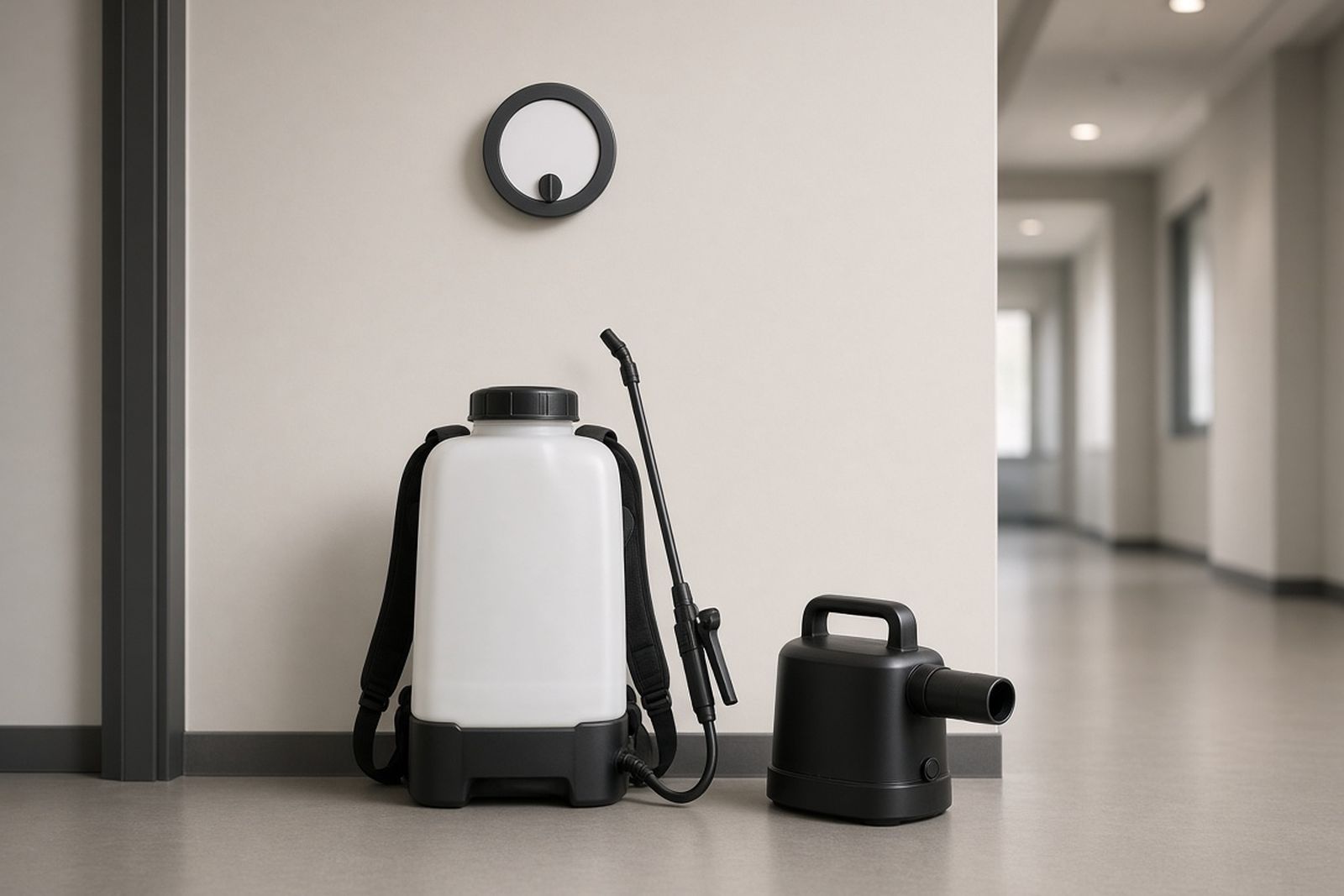
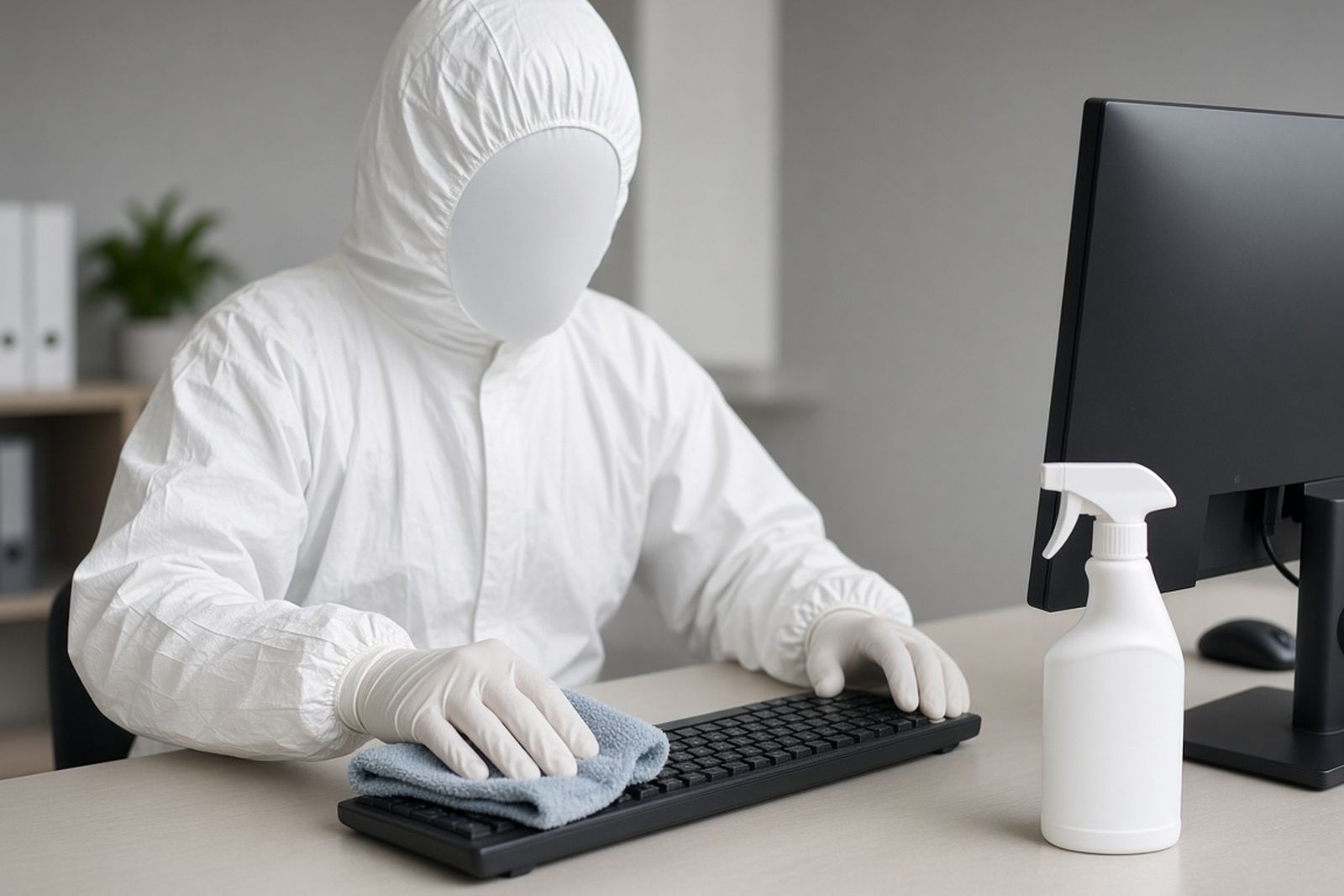
1Recognizing what fogging can and cannot address
Fogging, misting, and electrostatic spraying put a disinfectant on surfaces. They are useful after a stomach bug or flu outbreak in a school. They help in a gym with equipment that is hard to wipe by hand. They help in a bus depot where many cabins need treatment in a short time. And they help when turning over a rental after a lung illness. They are the wrong tool for visible dirt, blood, vomit, sewage, mold, rodent droppings, or drug residue. Those need to be physically removed under a different process. These methods also do nothing for air quality once the product settles. A scent afterward tells you nothing about whether germs were killed. Ask what problem a treatment solves. If the answer is general peace of mind, a well-run cleaning program usually does more.
2Authority over the space and the systems
Before any spraying, someone has to decide some things. Who may be in the building? Who controls the air system? Who owns the fire and smoke alarm system? Who will approve letting people back in? In a leased office, that may be the landlord, the tenant, and the building engineer together. In a school, it includes the office staff and the facilities team. In a transit fleet, it includes the maintenance supervisor and perhaps a union safety rep. Companies should not shut off air units, turn off alarms, or fog a shared hallway on their own say-so. Rules vary by state and county. Some settings, like childcare and food service, have their own rules, so check with the local office. Put the chain of approval in writing before the first visit.
3Keeping product where it belongs
Here, walling off an area means controlling where mist and droplets go. Seal the vents in the treated area and close the doors. Shut off or isolate the air units, so the ducts do not carry product to rooms in use or coat filters and coils. Cover or remove food surfaces, electronics, paper, and delicate stock, as the label requires. Electrostatic spraying is more targeted than fogging, but it still drifts. It can leave a film on screens and keyboards. UV-C and ozone require that no one is in the space and that the room is sealed. Ask the company to walk the space with you first. Have them point out what will be covered or removed. Have them explain how they confirm the area is empty before they start.
4Cleaning versus disinfecting and why the order is fixed
Cleaning physically removes dirt, oils, food, and other matter using soap, water, and scrubbing. Disinfecting uses a registered chemical to kill germs left on a cleaned surface. The order cannot be flipped. Dirt shields germs and can weaken the disinfectant. Every EPA-registered product lists a contact time. That is how many minutes a surface must stay visibly wet. Fog or spray that dries too soon has not done its job. Fogging and electrostatic methods only change how the disinfectant gets there. They do not remove the need to clean first or to keep the surface wet long enough. A wipe-and-wait program uses the same chemicals by hand. It is often more reliable on often-touched spots, because a person can see whether the surface stayed wet.
5Where the waste goes
A routine fogging or electrostatic service makes fairly little waste. There are empty product containers, used wipes and cloths, throwaway covers, and the worker's safety gear. Most of it is regular trash. But the product's safety data sheet may list rinsing or disposal steps for containers. Never pour leftover concentrate down a drain without checking the label. Things change when a service follows a mess involving body fluids, mold, or other contamination. Those dirty materials follow regulated paths. The company must handle them apart from the disinfecting step. Rules vary by state and county, so check with the local office. Ask the company how it keeps waste separate when a visit includes both cleanup and disinfecting. Also ask where its containers go.
6Records that prove something happened
A useful service record names the product and its EPA registration number. It lists the dilution, the spray method, and the rooms or vehicles treated. It gives the start and end times and how long surfaces stayed wet. It shows the re-entry time given to the building and the air system steps taken. It also notes what was cleaned first, what was covered or removed, and who approved re-entry. Some buildings add a quick swab test on key surfaces as a cleanliness check. The test shows leftover organic residue, but it does not detect germs. A certificate that just says the building was sanitized, with no details, proves nothing. Keep records in a file that an inspector, insurer, parent, or tenant could review. Compare tickets over time to make sure the work has not quietly shrunk.