Short answer
Standalone sanitization fogging is rarely covered. A homeowners policy does not pay to disinfect a house after a stomach bug or as a precaution. Fogging or misting may be paid as one line item inside a larger covered claim, such as smoke deodorization after a fire or disinfection after a sudden sewage backup, when the adjuster agrees it is needed. Get that agreement in writing before work starts.
Why preventive or illness-related fogging is usually not covered
A homeowners policy pays for physical loss to your home and belongings. Germs on a countertop after a family illness do not count as physical damage in the way a burst pipe or a kitchen fire does, so disinfection in that situation is generally treated as normal household upkeep. The same goes for fogging bought as reassurance after a cold season, before a new baby comes home, or after guests leave.
Many policies also contain exclusions that touch on bacteria, fungi, or contaminants, and some commercial forms added explicit virus exclusions in recent years. Even where no exclusion applies, there is simply no covered peril to hang the cost on.
Read the definitions page of your policy, because words like contaminant and pollutant are defined differently from one form to the next, and ask your agent to explain any term that decides your situation.
When might fogging show up inside a covered claim?
The more realistic path to coverage is when fogging or misting is one step in restoring damage from an event your policy already covers. In those cases the adjuster is not paying for fogging as a service; they are paying to return the property to its pre-loss condition, and a specific application method is part of how the contractor gets there.
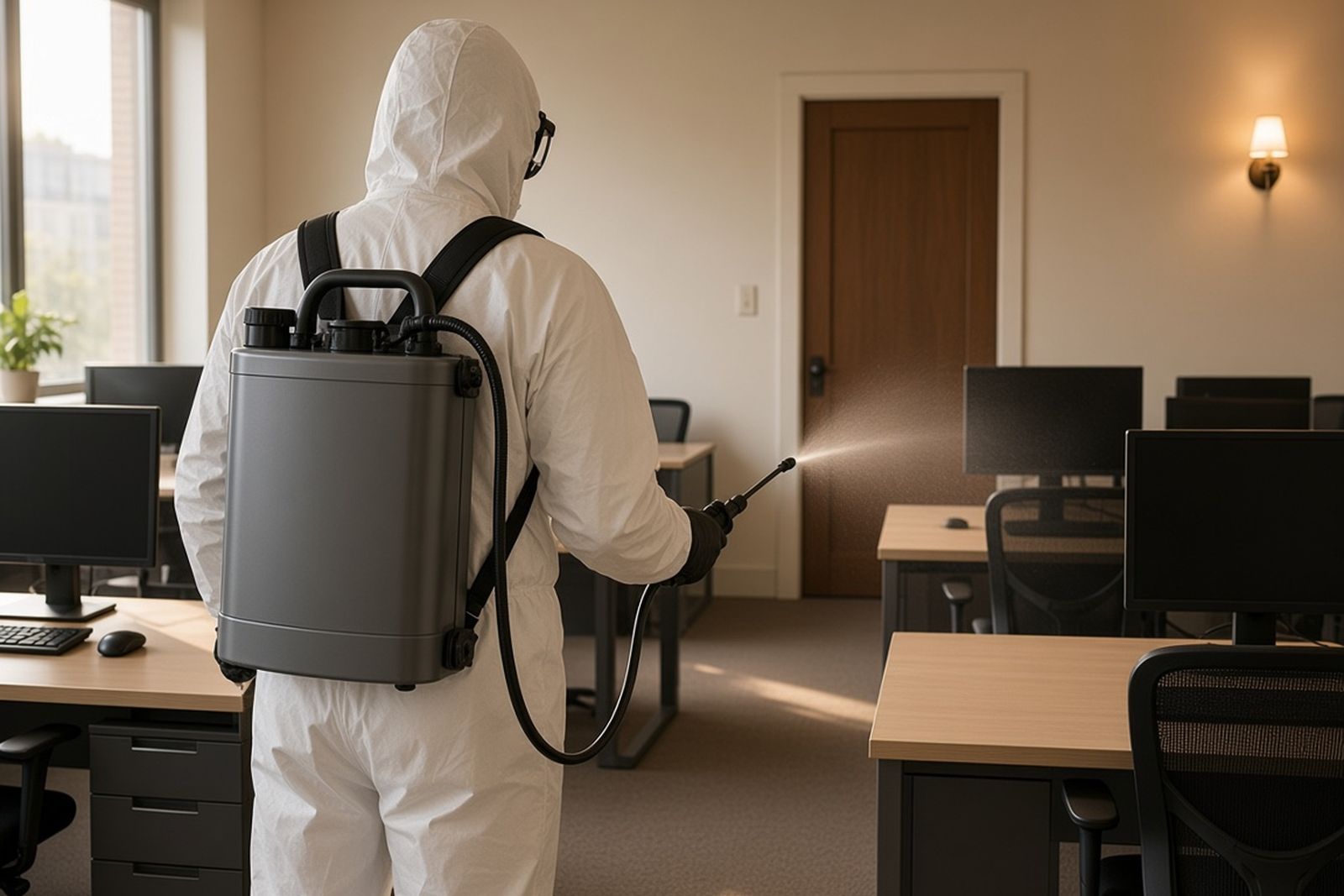
Smoke is the most common example. After a covered fire, restoration crews often use thermal fogging or other deodorization methods to neutralize odor that has worked into framing and contents. Sudden water and sewage events are another. If a main line backs up and the loss is covered, disinfecting affected surfaces may be included in the mitigation scope.
- Smoke and odor treatment after a covered fire.
- Disinfection after a covered sudden water or sewage event, if your policy includes the relevant coverage.
- Odor control after a covered vandalism loss that left organic material behind.
- Treatment of contents that the adjuster agrees can be cleaned instead of replaced.
Why the method and the product matter to an adjuster
Adjusters care about the method and the product, and you should too. Adjusters look for work that is necessary and reasonable. A contractor who proposes whole-house fogging for a problem limited to one bathroom may run into pushback, and so might a scope that lists fogging without explaining what product will be applied or why.
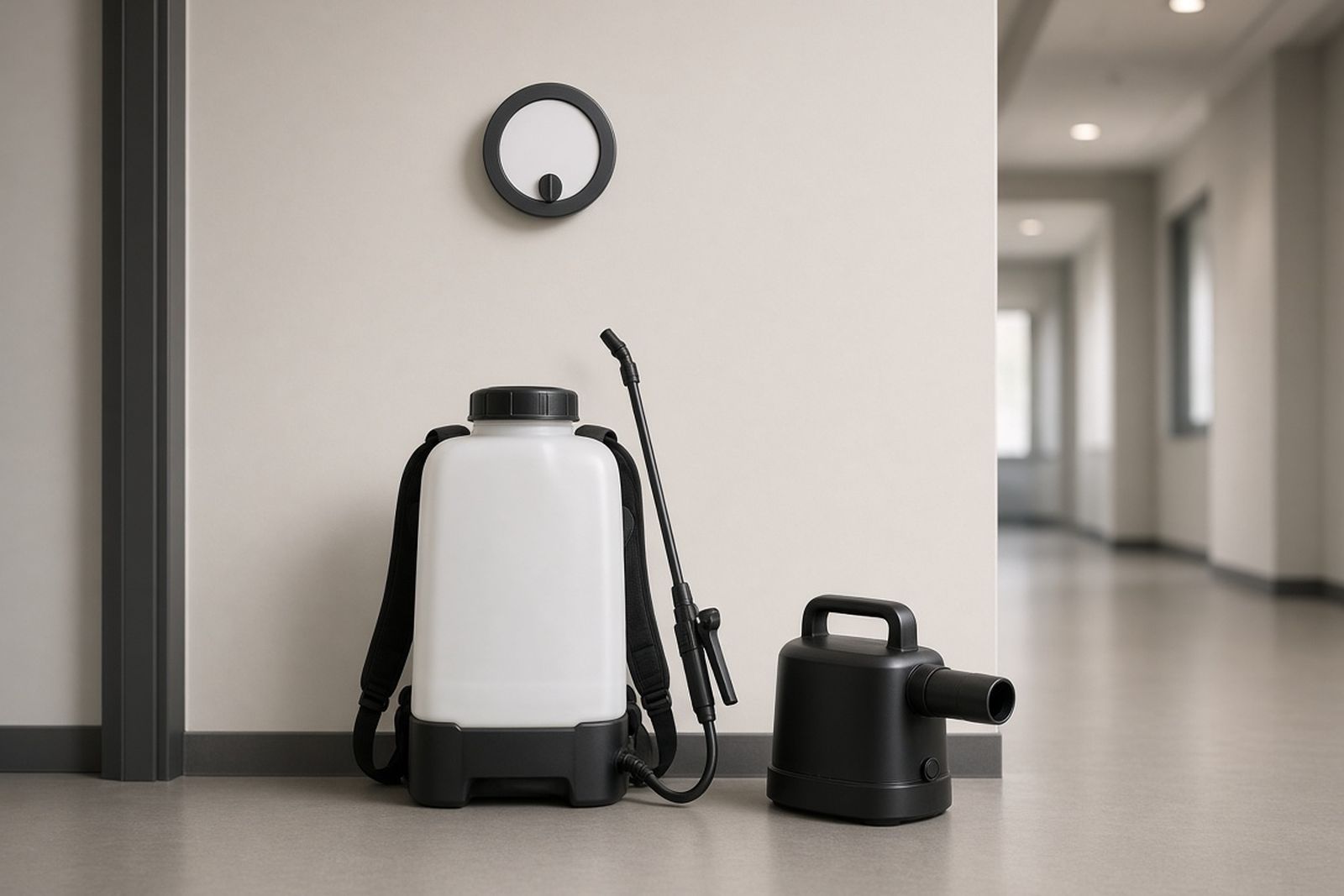
Product labels matter here. Not every disinfectant may be fogged or sprayed; the label has to include directions for that method. A scope that names a product whose label allows fogging, and explains contact time and re-entry, is easier to justify than one that just says fog the house.
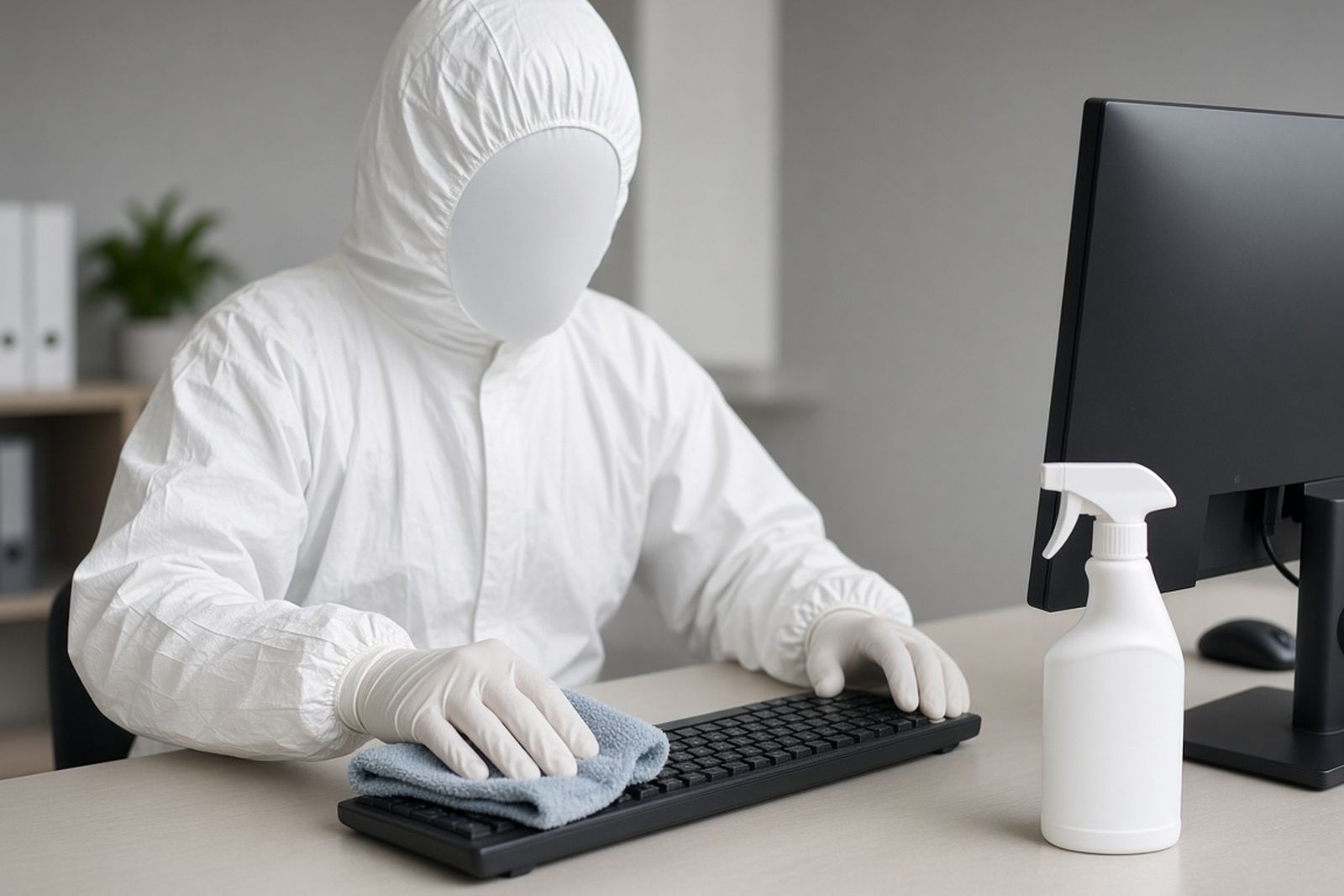
Fogging also does not replace cleaning. Soil, residue, and organic matter need to be physically removed before any disinfectant can work well. A careful scope lists cleaning first and fogging or misting as a supplemental step, not the other way around.
If the contractor cannot tell you which product they intend to use, or refuses to share the label, treat that as a warning sign for both the claim and your household's safety. Legitimate providers expect these questions and answer them without hesitation.
Restoration scopes sometimes include ozone generators or hydroxyl units for odor, and homeowners occasionally confuse these with disinfection. They are different tools, and an odor treatment should not be listed or paid for as if it were a disinfection step.
That does not mean an adjuster will reject an odor treatment after a fire; odor removal is a legitimate restoration goal. It means you should understand what each line item is for. If a quote lists ozone as a sanitizing step, ask the contractor to explain what it is expected to do, how long the house must stay empty, and how pets and plants will be protected.
Example: the basement backup and the fogging quote
A worked example makes this concrete; the details are illustrative. A heavy storm overwhelms the municipal line, and sewage backs up through a floor drain into your finished basement. You have a water backup endorsement on your homeowners policy. A mitigation company extracts the water, tears out wet drywall and carpet, and hands you a separate quote from a sanitization vendor to fog the entire house, all three floors.
Here, the adjuster is likely to view basement disinfection as part of the covered loss, since the contaminated water touched those surfaces. Fogging the upstairs bedrooms, which the water never reached, is a harder case. Unless there is a documented reason, such as HVAC returns in the basement that pulled air through the rest of the house, the adjuster may decline that portion.
The sensible move is to ask the vendor to rewrite the quote by area, with the product name, the label-allowed application method, and the reason each space is included. Send that version to your adjuster before any fogging begins, and ask for written approval of the scope.
It also helps to know that the approval can be partial. An adjuster may agree to disinfection of the basement and the ductwork serving it, while declining the upper floors. You can still choose to have those rooms treated at your own expense, as long as the invoice separates the approved work from the extra.
What to document for a sanitization line item
Adjusters approve what they can understand. Clear notes and photos showing why sanitization is needed, and exactly where, go further than a general statement that the home needs to be disinfected.
- Photos of the affected areas before cleanup, including water lines or smoke staining.
- A floor plan or sketch marking which rooms the loss reached.
- The mitigation company's moisture or damage map, if one was produced.
- Product names and label information for any disinfectant or deodorizer proposed.
- Written approval from the adjuster before the sanitization step starts.
Landlords, condo associations, and home businesses
If you own a rental, a dwelling or landlord policy follows the same basic logic as a homeowners form: fogging is more likely to be paid when it is part of repairing a covered loss, and unlikely when it is routine turnover or reassurance between tenants. Budget for disinfection between occupants as an operating expense rather than something to claim.
Condo owners should know where their unit policy stops and the association's master policy starts. A sewage backup that begins in a common line may be handled under the master policy, with the association hiring the mitigation and sanitization vendor. Ask the property manager in writing which policy is responding and who is approving the scope before anyone fogs your unit.
If you run a small business from home, such as a licensed daycare, a salon chair, or a pet grooming room, your homeowners policy may exclude or limit business activity. A separate business policy or endorsement may apply instead, and commercial forms often carry their own communicable disease or virus exclusions. Ask your agent specifically how sanitization after an illness outbreak among clients would be treated, and do not assume the answer matches your household coverage.
In every one of these setups, the fastest way to a clear answer is a written scope, a named product, and a question sent to the right carrier before work begins.
Paying for it yourself, and when health changes the plan
It may change what you decide to do, even if it does not change coverage. If someone in your home has asthma, a compromised immune system, or chemical sensitivities, a fogging treatment brings its own considerations. The same chemicals that disinfect surfaces can irritate lungs, and misting puts more of them into the air than wiping does.
Talk with the vendor about re-entry timing, ventilation, and whether a wipe-based approach would meet the need with less airborne product. If a physician has given specific guidance for the vulnerable person in your home, share it with the contractor and keep a note of it with your claim documents.
Plenty of people choose sanitization outside of any claim, whether after an illness, before moving into a new home, or when caring for someone vulnerable. If that is your plan, treat it like any other home service purchase. Ask for the product name, the EPA registration number, the application method the label allows, the required contact time, and how long everyone needs to stay out.
Ask what the vendor will clean before they fog, and be cautious of anyone who describes fogging as a complete solution on its own. A good provider will explain its limits plainly, including surfaces the mist may not reach well, like the undersides of furniture and the inside of drawers.
Finally, keep the paperwork. Even when insurance is not involved, an invoice that lists the product and areas treated can be useful for a landlord, a daycare, a home sale, or your own peace of mind later.