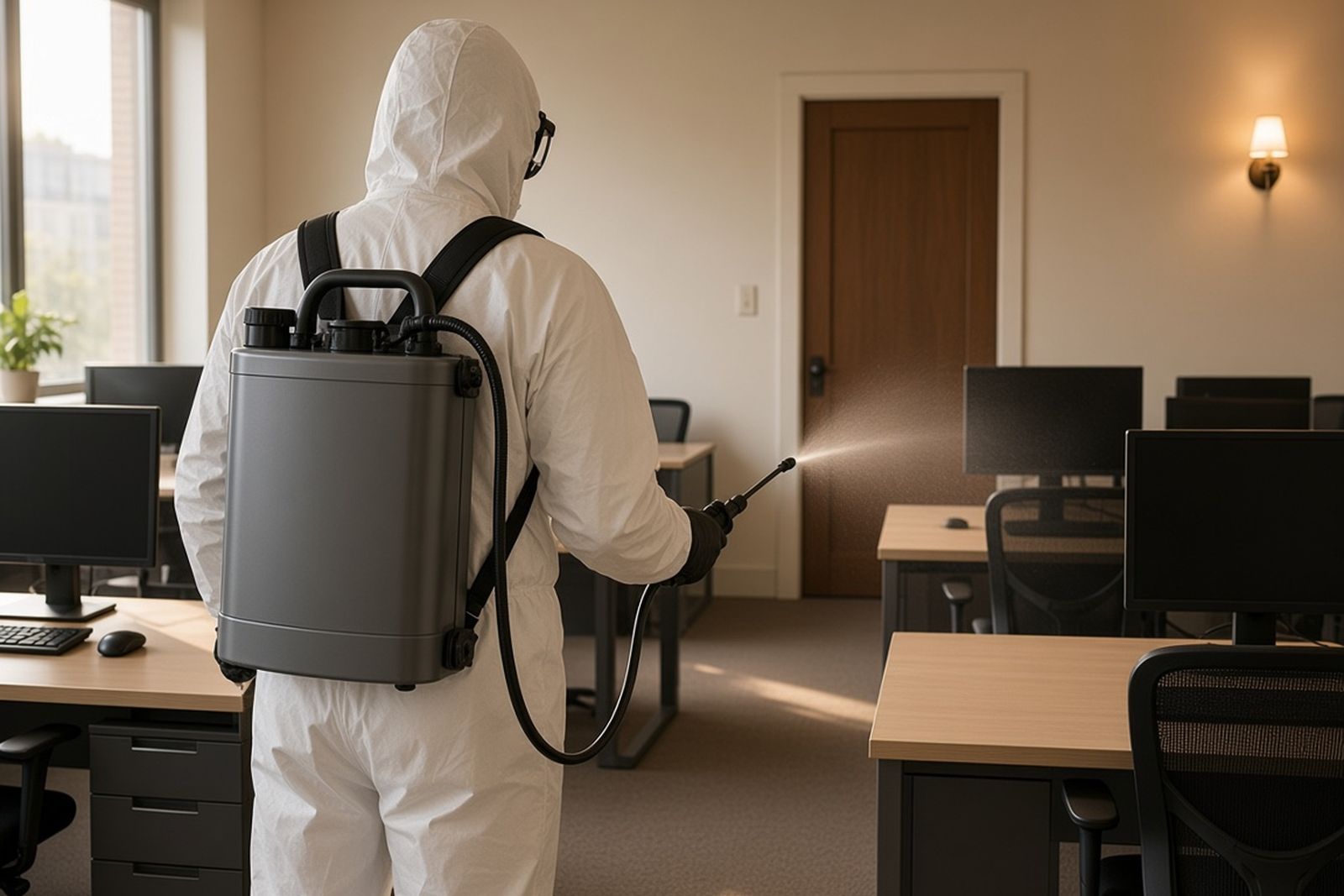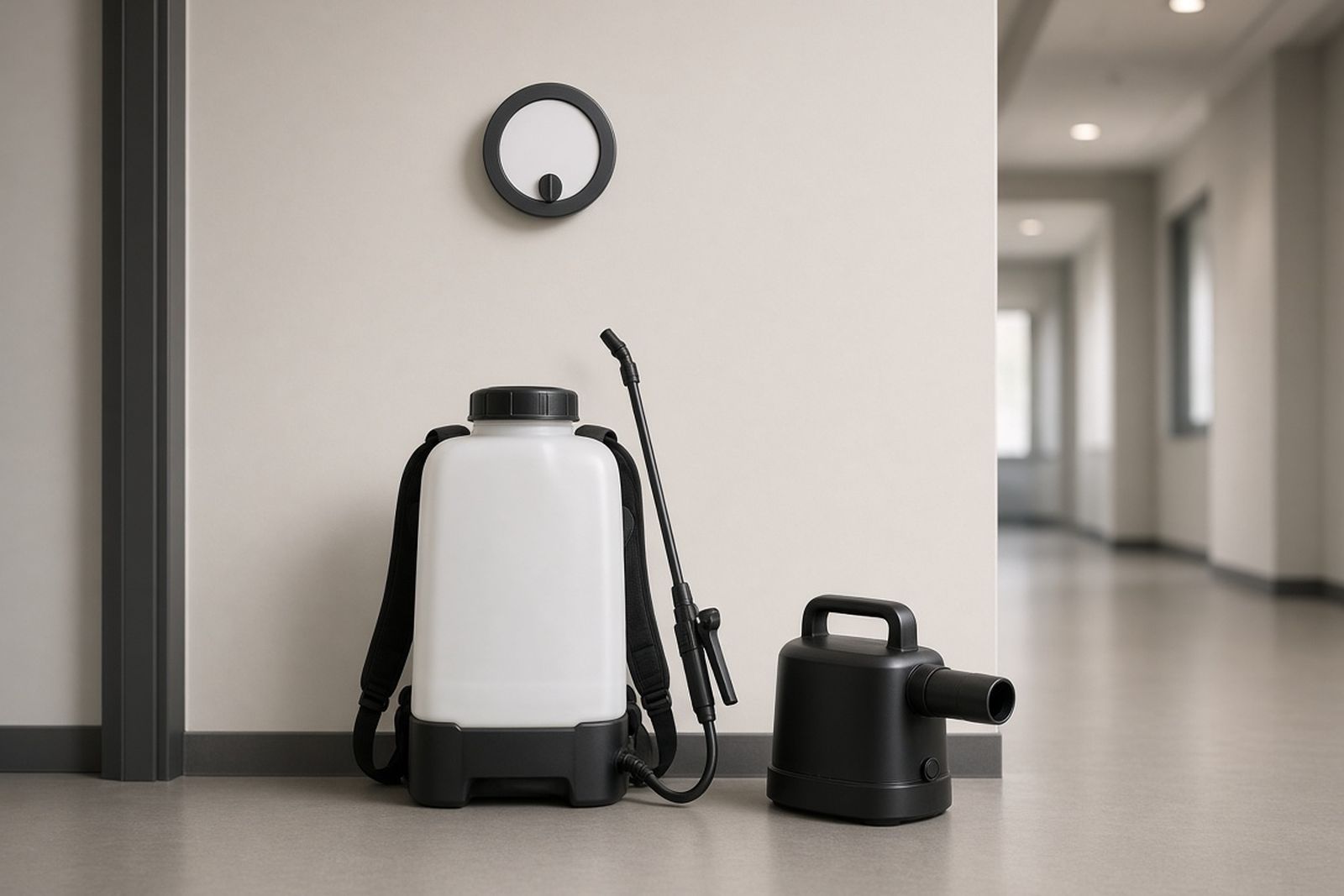
Short answer
Fogging is often requested during stressful moments: an illness in the family, an outbreak at work, or a death from an infectious disease. It is normal to feel anxious, guilty, or on edge, and to want the most thorough option. Support is available through your doctor, counselors, employee assistance programs, SAMHSA's Disaster Distress Helpline, and the 988 Suicide and Crisis Lifeline for anyone in crisis.
Why fogging decisions feel so emotional
People rarely call about fogging on a calm day. The request usually follows something frightening: a child hospitalized with a respiratory illness, a stomach bug spreading through a care home, a colleague who died after a severe infection, or a customer complaint that shook a small business owner's confidence. The wish to disinfect everything, right now, is often a wish to regain control.
That wish makes sense. Germs are invisible, and invisible threats are especially hard for the mind to set down. A visible mist feels like proof that something has been done. For many people, the emotional relief of fogging is as important as its practical effect.
Recognizing that emotional layer does not mean dismissing it. It means giving it its own attention, separate from the technical question of what the building actually needs. When the two are tangled together, it is easy to buy more service than helps and still not feel better.
Health anxiety after an outbreak, and when it turns into unsafe cleaning
After an illness scare, some people find their worry does not settle. They may check surfaces repeatedly, avoid shared spaces, scrub their hands until the skin cracks, or feel a spike of fear at every cough. Some find themselves scheduling repeated disinfection services, searching late at night for new products, or feeling unable to relax until a room has been treated again.
For many, these feelings fade over weeks as life returns to normal. For others, they persist or grow. When worry about contamination starts to shape daily decisions, interfere with work or relationships, or feel impossible to control, it is worth talking with a doctor or a mental health professional. Effective treatments exist for health anxiety and for obsessive-compulsive patterns centered on contamination.
Getting help is not a sign of weakness or overreaction. It is a practical step, just as calling a cleaning provider is.
Anxiety can also make cleaning itself unsafe, and this is one of the less discussed risks. When people are frightened, they sometimes reach for stronger chemicals, mix products, or use disinfectants in ways they were never meant to be used. When the CDC surveyed 502 US adults in May 2020, 39% described high-risk practices such as washing food with bleach or putting disinfectant on skin, and just 35% knew that bleach and vinegar should never be combined.
If you notice yourself using more product, mixing products, or cleaning in ways that leave you coughing or with irritated eyes, pause. That is a sign the fear is steering the cleaning. A professional service that follows product labels, combined with support for the anxiety itself, is safer than escalating on your own.
- Repeated checking or re-cleaning of the same surfaces.
- Avoiding places or people out of fear of germs.
- Skin damage from excessive washing or disinfectant use.
- Feeling unable to rest until another treatment is done.
When fogging follows a death from illness
Sometimes disinfection is requested after a loved one has died from an infectious disease, at home or in a care facility. In these moments, grief and fear can blur together. Family members may worry about their own exposure while also mourning, and they may feel guilty about not preventing the illness.
Be gentle with yourself about practical decisions. You do not need to be present while a provider works. You can ask them to set aside personal belongings for you to review later, and to explain in plain language what they are doing and why. If the person's belongings carry emotional significance, ask whether they can be cleaned rather than discarded.
Grief support is available through hospice programs, faith communities, counselors, and bereavement groups. If grief becomes overwhelming or you have thoughts of harming yourself, call or text 988 to reach the 988 Suicide and Crisis Lifeline at any hour.
Supporting staff through an outbreak response
Workplace outbreaks strain the people who keep a building running. Custodians and cleaning staff take on extra work, often under pressure and sometimes with worry about bringing illness home. Front-line employees may fear exposure. Managers may feel responsible for every case.
Clear communication reduces anxiety. Tell staff what happened in general terms, what is being done, when treated areas will reopen, and whom to ask with questions. Share the product's safety information with anyone who works near treated spaces. Make sure cleaning staff have the protective equipment and training they need, and that they feel free to raise concerns.
Remind employees about your employee assistance program if you have one, and give people permission to use it. Check in with the staff who did the hardest work. A simple acknowledgment of their effort matters more than many managers realize.
An illustrative story: a home daycare owner after an outbreak
The following is a composite, illustrative story rather than a real case. You run a licensed home daycare. Several children in your care develop a stomach illness in the same week, and one child is briefly hospitalized for dehydration. The child recovers, but you feel crushing guilt. You close for a few days, clean everything, and then book a fogging service. After the service, you still cannot shake the feeling that something was missed, and you begin calling providers for another treatment.
A friend notices you have barely slept. She suggests you talk with your doctor, who listens and connects you with a counselor. The counselor helps you separate the realistic steps, such as following your licensing agency's guidance and your normal cleaning routine, from the fear-driven urge to keep treating.
You also call your licensing contact, who reassures you that you followed the recommended steps and explains what to watch for going forward. You decline the second fogging appointment, reopen on schedule, and keep seeing the counselor for a few weeks. The guilt eases slowly, and you feel more steady when the next cold season arrives.
Resources you can reach right now
Help comes in different forms depending on what you need. Your primary care doctor is a good starting point for persistent anxiety, sleep problems, or physical symptoms you are worried about. They can refer you to a counselor or psychologist.
SAMHSA's Disaster Distress Helpline offers free, confidential crisis counseling by call or text for people experiencing emotional distress related to disasters and public health emergencies. Employee assistance programs through many workplaces provide short-term counseling at no charge to employees.
For anyone in crisis or having thoughts of suicide, the 988 Suicide and Crisis Lifeline is available by call or text at 988. If there is an immediate medical emergency, call 911. For questions about a possible chemical exposure, Poison Control can be reached at 1-800-222-1222. If an outbreak involves reporting duties, your licensing agency or local health department can tell you what to do.
- Primary care doctor: anxiety, sleep, and physical concerns.
- SAMHSA Disaster Distress Helpline: 1-800-985-5990, call or text.
- 988 Suicide and Crisis Lifeline: call or text 988.
- Poison Control: 1-800-222-1222 for chemical exposure questions.
- Employee assistance program, if your workplace offers one.
How can you help children who are worried about germs?
Children pick up on adult anxiety quickly. After an illness in the family or at school, they may ask whether they will get sick, refuse to touch certain things, or become upset at the sight of people in protective gear. A fogging appointment at home can add to that unease if it is not explained.
Use simple, honest language suited to their age. You might say that a helper is coming to clean the house very carefully so everyone stays healthy, and that the family will go somewhere fun while the house airs out. Avoid dramatic descriptions of germs or chemicals. Let them ask questions, and answer only what they ask.
Keep routines as normal as possible. Regular meals, bedtimes, and play reassure children that life is steady. Teach one or two concrete habits, such as handwashing before meals, which gives them a sense of control without encouraging constant worry.
If a child's fear persists for weeks, interferes with school or sleep, or shows up as repeated washing or avoidance, talk with their pediatrician. Early support usually helps, and pediatricians see these patterns often after family illness.
Peace of mind vs overtreatment
It can help to ask two separate questions. The first is practical: what does this space need, based on the product labels, the health authority's advice, and the kind of illness involved? The second is personal: what do I need to feel settled? The answer to the first might be one targeted treatment. The answer to the second might be a conversation with a counselor, time off, or reassurance from a trusted expert.
Good providers will help with the first question honestly, even if it means recommending less service. Friends, family, and professionals can help with the second. Keeping the two apart protects your budget, your lungs, and your peace of mind.